

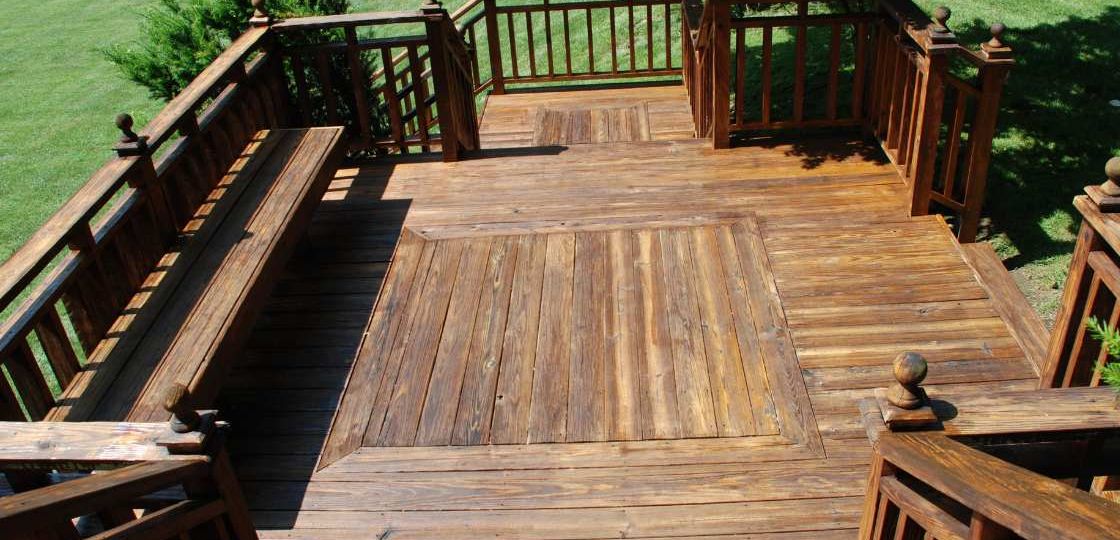
Seattle’s lush greenery and misty mornings create a beautiful backdrop for outdoor living. But the same climate that makes the Pacific Northwest so charming also creates challenges for homeowners choosing between composite vs. wood decks. With heavy rainfall, year-round moisture, and occasional freeze–thaw cycles, selecting the best decking material for longevity is crucial.
In this guide, we’ll break down how composite and wood decks perform in Seattle’s wet environment—so you can make an informed, durable investment.
Seattle’s Weather: A Tough Test for Any Deck
Seattle experiences:
- 150+ rainy days per year
- High humidity and moisture retention
- Limited direct sunlight, causing slow drying
- Moss and mildew growth
- Cool winters with intermittent freezes
These conditions can take a toll on decking materials—especially natural wood.
Composite Decks: Built to Withstand Seattle’s Moisture
1. Moisture Resistance
One of the biggest advantages of composite decking is its near-immunity to moisture damage. Unlike natural wood, composite boards don’t absorb water, meaning:
- No rotting
- No warping or splintering
- No mold penetration
- Minimal swelling
This makes composite decking one of the best low-maintenance deck materials for Seattle homeowners.
2. Durability & Lifespan
Most high-quality composite decks last 25–30+ years, with many brands offering long warranties. They retain their shape, color, and integrity even with constant exposure to rain.
3. Maintenance Requirements
Composite decks require very little upkeep—just occasional cleaning with soap and water. No staining, sanding, or sealing needed.
4. Appearance & Style Options
Modern composite boards mimic natural wood grain beautifully and come in various colors, giving homeowners the look they want without the maintenance hassle.
Wood Decks: Classic Beauty but Higher Maintenance
Traditional wood decks, such as cedar or redwood, can be gorgeous additions to Seattle homes—but they demand more effort to stay in good condition.
1. Moisture Vulnerability
Natural wood is porous, so Seattle’s constant moisture can lead to:
- Rotting
- Mold and mildew buildup
- Splitting and splintering
- Faster aging without proper care
Even rot-resistant woods like cedar eventually break down in the Pacific Northwest climate.
2. Lifespan
With consistent maintenance, a wood deck may last 10–15 years—sometimes up to 20 years for higher-end woods like Ipe. But without regular sealing and cleaning, lifespan drops significantly.
3. Maintenance Requirements
Wood decks require:
- Annual or biannual sealing
- Power washing
- Scrubbing mildew
- Repairs or board replacements
For homeowners who prefer a low-maintenance lifestyle, this can become time-consuming and costly.
4. Aesthetic Appeal
Wood offers unmatched natural beauty, especially for rustic or traditional homes. But keeping that look in Seattle’s climate requires constant upkeep.
Cost Comparison: Composite vs. Wood Decking
Although composite decking generally has a higher upfront cost, it offers better value over time thanks to:
- Lower maintenance expenses
- Longer lifespan
- Fewer repairs
When evaluating lifetime cost, composite often ends up being the more affordable choice for Seattle homeowners.
Environmental Considerations
- Composite decking is often made from recycled plastics and wood fibers, making it an eco-friendly decking option.
- Wood decking can be sustainable if sourced responsibly, but it requires more chemicals and treatments over time to protect against rot.
Which Lasts Longer in Seattle’s Climate?
🏆 Clear Winner: Composite Decking
In Seattle’s damp, cool, and rainy weather, composite decks significantly outlast wood decks while also offering:
- Low maintenance
- Moisture resistance
- Long warranties
- Consistent beauty
- Long-term cost savings
For homeowners seeking a durable, hassle-free solution, composite decking is the superior long-term choice.
When to Choose Wood Instead
Wood might still be the right fit if you:
- Prefer an authentic, natural look
- Are willing to keep up with routine maintenance
- Want a more affordable upfront cost
When it comes to composite vs. wood decks in Seattle’s climate, the difference in longevity is clear. Composite decking is designed to withstand moisture-heavy environments, making it the best long-term investment for Pacific Northwest homeowners. If you’re planning a deck project, consulting experienced Seattle deck builders can help you choose the right materials for your home and lifestyle.
Interested in enhancing your outdoor space with a composite deck or improving your existing patio with a patio cover? Contact the most trusted composite deck building company in King County and Snohomish County, Inside Out Construction. With several decades of experience providing high-quality deck construction, you can rest assured you are in good hands for your deck or patio project. Contact Inside Out Construction today, call (206) 353-4937 or visit our website and get started.
