

Designing an outdoor living space in the Pacific Northwest comes with unique challenges. The region’s damp climate, frequent rainfall, and fluctuating temperatures demand materials that can withstand moisture, resist decay, and maintain their appearance over time. When planning a deck, homeowners often find themselves choosing between two popular options: composite decking and traditional wood decking.
Both materials have their strengths and drawbacks, but the best choice depends on how they perform in the specific conditions of the Pacific Northwest. Whether you’re working with a King County Deck Builder or a Snohomish County Deck builder, understanding the differences between these materials will help you make a more informed, long-lasting investment.
Understanding the Pacific Northwest Climate
Before diving into material comparisons, it’s important to understand why this decision matters so much in this region. The Pacific Northwest is known for:
- High levels of rainfall throughout the year
- Persistent moisture and humidity
- Mild summers and cool winters
- Moss, mildew, and algae growth
These environmental factors can significantly impact the longevity and maintenance needs of your deck. Materials that perform well in dry or sunny climates may struggle here, making durability and moisture resistance top priorities.
What Is Composite Decking?
Composite decking is a man-made material typically composed of recycled wood fibers and plastic. It is engineered to mimic the look of wood while offering enhanced durability and lower maintenance requirements.
Modern composite boards come in a variety of colors, textures, and finishes, often designed to resemble natural wood grain. Many homeowners choose composite because it promises long-term performance with minimal upkeep.
What Is Wood Decking?
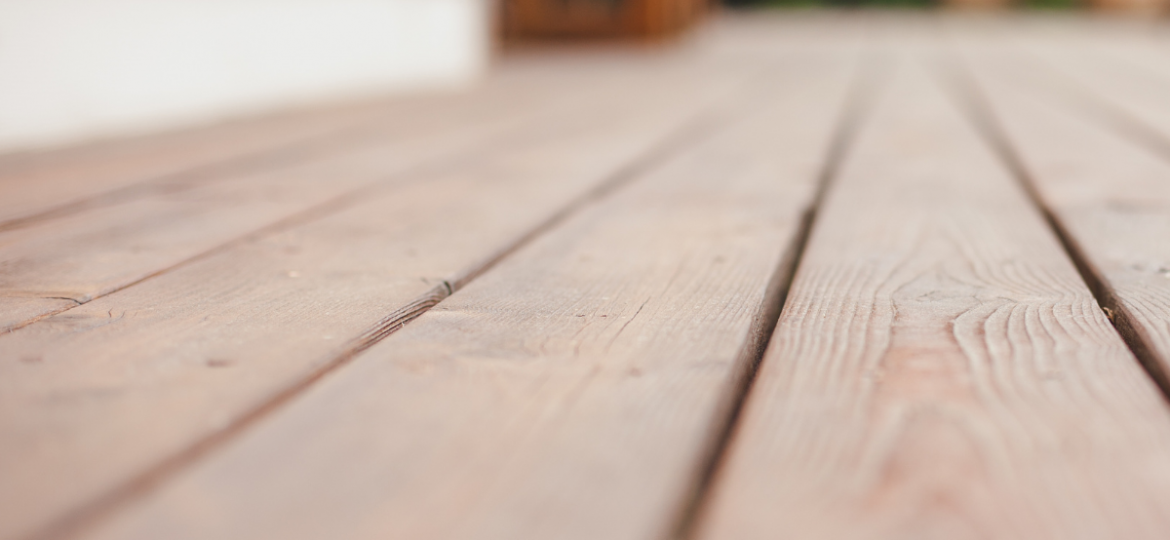
Wood decking is the traditional choice and has been used for decades in outdoor construction. Common wood types include pressure-treated lumber, cedar, and hardwoods like ipe.
Wood decks are valued for their natural beauty, warmth, and authenticity. However, they require consistent maintenance to withstand the elements especially in moisture-heavy environments like the Pacific Northwest.
Durability in a Wet Climate
One of the biggest considerations when choosing between composite and wood is how each material handles moisture.
Composite decking is highly resistant to water damage. It does not absorb moisture the way natural wood does, which means it is less likely to warp, crack, or rot. This makes it particularly well-suited for areas that experience frequent rain and damp conditions.
Wood decking, on the other hand, is more vulnerable to moisture. Even treated wood can absorb water over time, leading to issues such as swelling, warping, and eventual decay. In the Pacific Northwest, where decks are often exposed to prolonged dampness, this can significantly shorten the lifespan of a wood deck if not properly maintained.
For homeowners working with a King County Deck Builder, durability is often a top concern and for good reason. The region’s climate can quickly reveal the weaknesses of less resilient materials.
Maintenance Requirements
Maintenance is where the difference between composite and wood becomes especially noticeable.
Composite decks require minimal upkeep. Occasional cleaning with soap and water is usually enough to keep them looking good. They do not need to be sanded, stained, or sealed, which can save homeowners time and money over the years.
Wood decks, however, demand regular maintenance to stay in good condition. This includes:
- Annual cleaning
- Staining or sealing every 1–3 years
- Repairs for splintering or warping boards
In a damp environment, neglecting these tasks can lead to mold growth, discoloration, and structural issues. A Snohomish County Deck builder will often advise clients to consider how much time they’re willing to dedicate to ongoing maintenance before choosing wood.
Appearance and Aesthetic Appeal
When it comes to looks, both materials offer distinct advantages.
Wood decking provides a classic, natural appearance that many homeowners find appealing. Each board has unique grain patterns and color variations, creating a warm and organic feel that is difficult to replicate.
Composite decking has come a long way in recent years. High-quality composite products now closely mimic the look of real wood, with textured surfaces and rich color options. However, some homeowners still feel that composite lacks the authenticity of natural wood.
If aesthetics are your top priority, wood may have the edge. But if you want a consistent, polished look that doesn’t fade or weather unevenly, composite can be an excellent choice.
Resistance to Mold, Mildew, and Algae
In the Pacific Northwest, decks are particularly susceptible to biological growth due to constant moisture and shade.
Composite decking is generally more resistant to mold and mildew, especially capped composite products that include a protective outer layer. While surface mold can still occur, it is easier to clean and less likely to penetrate the material.
Wood decking is more prone to mold, mildew, and algae growth. These not only affect the appearance of the deck but can also create slippery and potentially hazardous surfaces. Regular cleaning and treatment are essential to keep wood decks safe and visually appealing.
Longevity and Lifespan
When investing in a deck, longevity is a critical factor.
Composite decks typically last 25 to 30 years or more, depending on the quality of the material and installation. Many manufacturers offer extended warranties, reflecting confidence in their durability.
Wood decks have a shorter lifespan, often ranging from 10 to 20 years. With excellent maintenance, some wood decks can last longer, but they are generally more susceptible to wear and environmental damage.
For homeowners looking for a long-term solution with fewer replacement concerns, composite decking often provides better value.
Cost Considerations
Cost is often a deciding factor when choosing between composite and wood.
Wood decking usually has a lower upfront cost, making it an attractive option for budget-conscious homeowners. However, the ongoing costs of maintenance—such as staining, sealing, and repairs can add up over time.
Composite decking has a higher initial investment, but its low maintenance requirements can result in lower long-term costs. Over the lifespan of the deck, many homeowners find that composite offers better overall value.
A knowledgeable King County Deck Builder can help break down the true cost of each option, taking both initial and long-term expenses into account.
Environmental Impact
Sustainability is another important consideration for many homeowners in the Pacific Northwest.
Composite decking is often made from recycled materials, including plastic and reclaimed wood fibers. This reduces the demand for new timber and helps divert waste from landfills.
Wood decking, while natural, involves harvesting trees. However, responsibly sourced wood from certified forests can be an environmentally friendly option.
Both materials have their merits, and the best choice depends on your priorities regarding sustainability and resource use.
Comfort and Heat Retention
In cooler climates like the Pacific Northwest, heat retention may not be as big a concern as in hotter regions. However, it’s still worth considering.
Composite decking can retain heat more than wood, especially in direct sunlight. That said, the Pacific Northwest’s moderate temperatures often minimize this issue.
Wood decking tends to stay cooler underfoot and may feel more comfortable during sunny days.
Installation and Structural Considerations
Both composite and wood decks require proper installation to perform well, especially in a moisture-heavy climate.
Composite materials often require specific installation techniques, including proper spacing and ventilation, to prevent water buildup and ensure longevity.
Wood decks also need careful construction, including sealing cut ends and ensuring adequate drainage to prevent rot.
Working with an experienced Snohomish County Deck builder ensures that your deck is built to handle local weather conditions, regardless of the material you choose.
Which Is Better for the Pacific Northwest?
So, which material is better?
For most homeowners in the Pacific Northwest, composite decking is the more practical choice. Its resistance to moisture, low maintenance requirements, and long lifespan make it well-suited to the region’s climate.
However, wood decking still has its place particularly for those who value natural aesthetics and are willing to invest time and effort into maintenance.
Ultimately, the best choice depends on your priorities:
- Choose composite if you want durability, low maintenance, and long-term value.
- Choose wood if you prefer a natural look and don’t mind regular upkeep.
Building a deck in the Pacific Northwest requires thoughtful planning and the right choice of materials. The region’s climate can be unforgiving, but with the right approach, your deck can become a beautiful and lasting extension of your home.
Whether you’re consulting a King County Deck Builder or a Snohomish County Deck builder, taking the time to weigh the pros and cons of composite versus wood will help ensure your investment stands the test of time.
By prioritizing durability, maintenance, and overall value, you can create an outdoor space that not only looks great but also performs exceptionally well in one of the country’s most challenging climates.
Interested in enhancing your outdoor space with a composite deck or improving your existing patio with a patio cover? Contact the most trusted composite deck building company in King County and Snohomish County, Inside Out Construction. With several decades of experience providing high-quality deck construction, you can rest assured you are in good hands for your deck or patio project. Contact Inside Out Construction today, call (206) 353-4937 or visit our website and get started.
